UNCLE DOUG: Valve Amplifier Explainers

I could just bookmark these in my browser, but hey…   here they are.   If you struggle with complex explanations of how valve amplifiers work, here’s a collection of easy to understand valve amplifier basics from Uncle Doug.  Don’t let the pets and other distractions put you off – there’s really good information in these videos.   … Read more
Cable Lacing

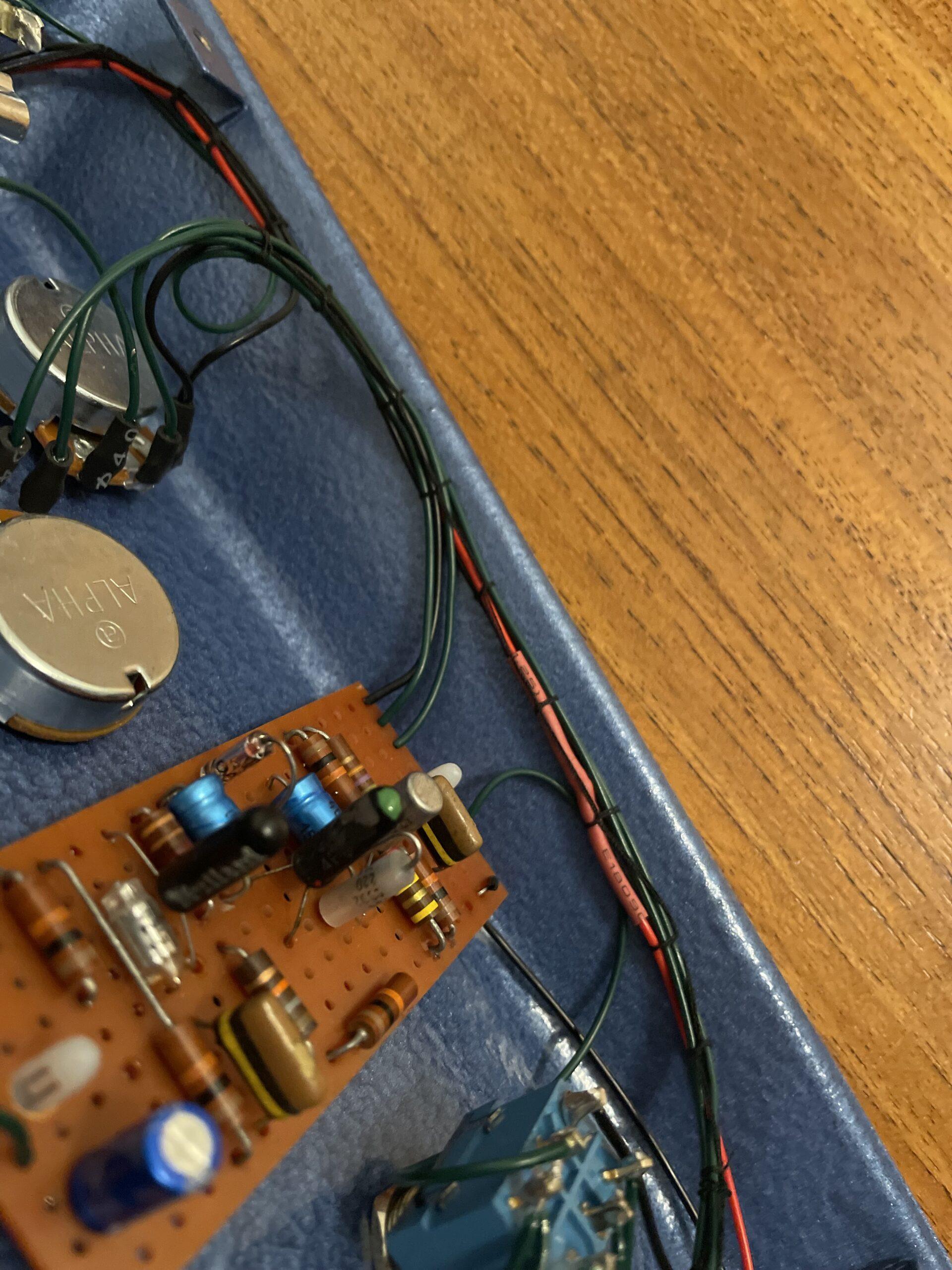
IMG 7130 d3f0083cf805

Ok – next level nerd alert.  Apart from being distracted by valve amp related things, I’ve recently started to use cable lacing to keep the wires looking tidy.  Cable lacing was how it was done before cable ties appeared, and I believe it’s still used in some areas of aeronautics and space programmes.   Sure you … Read more

GAPCO: Vintage Pressed Steel Enclosure

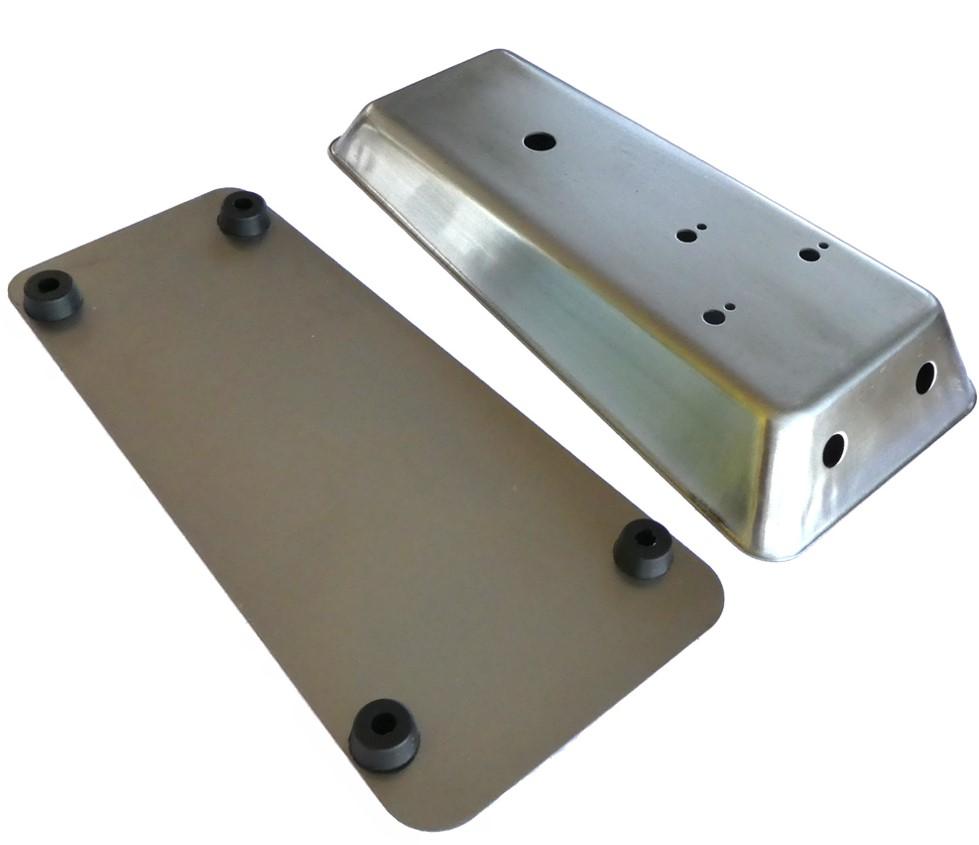
Gapco vintage style enclosure photo 4d5bfbf795d9

I’m sure we’re all familiar with these enclosures from GapCo, just jotting down some notes for myself, as I found a drawing with dimensions (sorry Reverb seller).    GAPCO VINTAGE ENCLOSURE Plain unfinished steel, arrives lightly oiled, may have light rust (will need a very good clean) Holes for pots are 6mm, which suits 16mm … Read more

VERO: Getting Started Building DIY Guitar Effects – Vero Layout Guide

VERO LAYOUT GUIDE V1 ce31b231a647

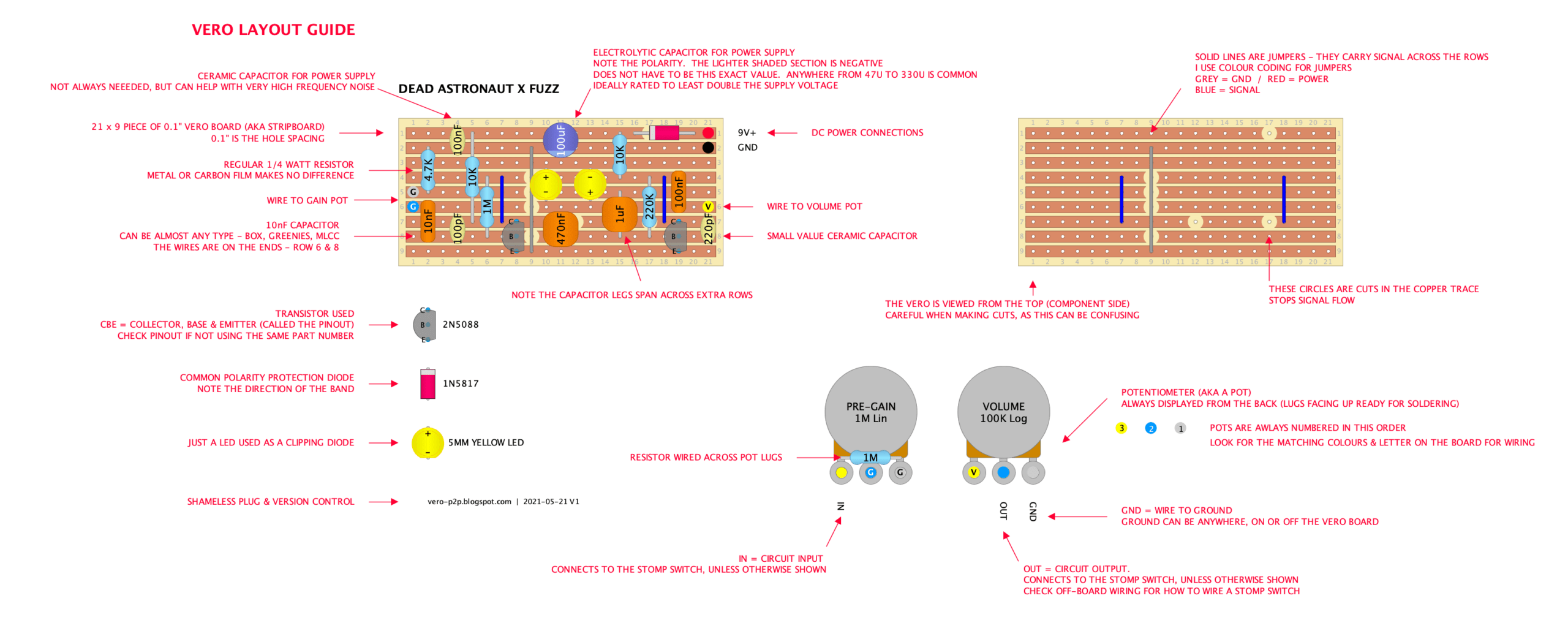
I’ve had a few questions lately via Instagram about some basics on my vero layouts – while this doesn’t cover everything, I hope it helps clarify a few things for people just starting out.  Essentially, my vero layouts are functionally the same as many others, the key differences being the use of colour coding, and … Read more

WIRE: Hook-up Wire for Vero Construction

TinnedBareCopperProductTallPreview 3340c166d940

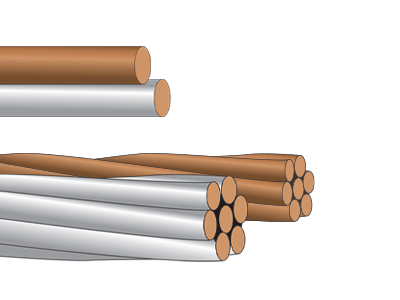
22AWG and 24AWG are what most pedal builders use, but depending on where you live, these values may not be readily available from your local store.  Of course, online is always an option, but shipping a bunch of heavy copper reels can be expensive.   22AWG and 24AWG are not available in the most common electronics … Read more